Trump Russia Sanctions Waiver: Graham Act Duties Paused
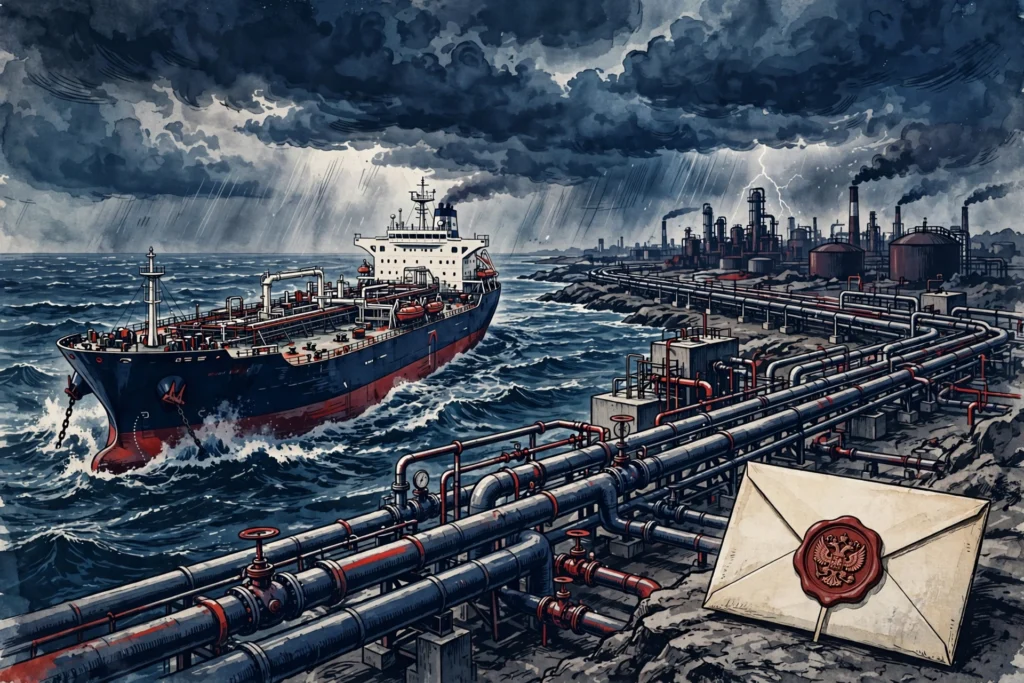
The trump russia sanctions waiver signed Friday freezes a sweeping new law meant to squeeze Moscow’s energy revenues, days before its tariffs and penalties were set to take effect.
President Donald Trump issued the waiver in an executive order released by the White House, certifying to Congress that the pause is in the national interest of the United States. The waiver stays in place until Trump or his top officials determine that “further action is appropriate.”
What the Graham Act Required
The Lindsey O. Graham Sanctioning Russia and Iran Act of 2026, signed into law in mid-September and named for the late South Carolina senator, gave the president authority to impose tariffs of up to 100% on goods entering the United States from the five largest importers of Russian crude oil or gas. It also covered penalties against any country that knowingly bought Russian oil or gas 30 days after the law’s enactment, or ranked among the top countries helping Moscow dodge sanctions.
Timing Weeks From the Midterms
Analysts said the measures risked pushing oil prices even higher just weeks before the midterm elections, as Americans already face steep costs largely attributed to the U.S.-Israeli war on Iran. The waiver follows a controversial deal Trump struck last week allowing Russian diesel exports — a move that blindsided European leaders and, according to Ukraine’s president, left Kyiv feeling betrayed.
Kyiv Alarmed as Ties Fray
Trump has been warming toward Moscow while publicly criticizing Ukrainian President Volodymyr Zelenskyy, including suggesting Kyiv needs a new leader. The White House has pressed Ukraine to halt its strikes on Russian oil facilities in hopes of easing fuel prices; Ukraine briefly complied before resuming the attacks, while Russia has pounded Ukraine’s energy infrastructure all week. Some lawmakers warned that shelving the law defies legislation meant to keep American dollars from financing Putin’s war.
Source: The New York Times