ICE News: GAO Finds $1B Warehouses Bought, Then Sold
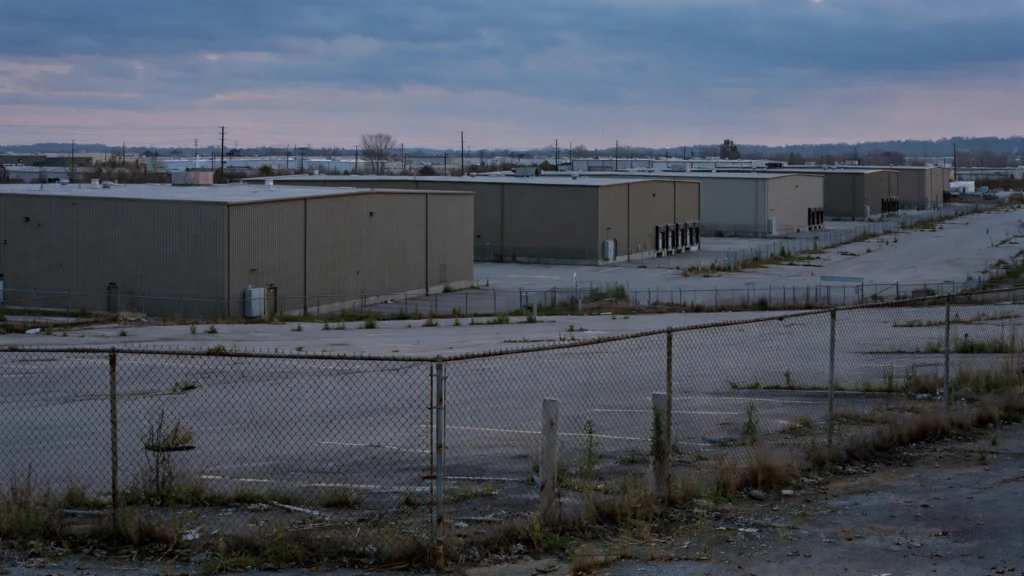
The latest ice news brings a sharp examination of how immigration detention money has been spent, after the Government Accountability Office found that U.S. Immigration and Customs Enforcement bought warehouses for about $1.07 billion and now plans to sell many of them, while also paying about $13 million a month for detention beds that sat empty. The GAO released its report on Nov 19, 2026, titled "ICE Should Determine Cost Effectiveness of New Initiatives Before Continuing," examining the cost of immigration detention under the Trump administration's U.S. Immigration and Customs Enforcement. Senator Dick Durbin (D-IL), Ranking Member of the Senate Judiciary Committee, led the report's release. In immigration news terms, the findings go beyond a single purchase. They describe a pattern of large spending decisions made without the planning and cost analysis that the GAO says should have come first, and they raise questions about how much of the money committed to detention can ever be recovered.
ICE received $45 billion in immigration detention funding in July 2025 through the One Big Beautiful Bill Act. The GAO report examines what happened when that money began to be spent, and its central warning is contained in its title: ICE should determine the cost effectiveness of new initiatives before continuing them.
The $1.07 Billion Warehouse Purchases
From January to March 2026, ICE bought 11 warehouses for about $1.07 billion to convert into detention and processing facilities. The GAO found that ICE paid at least 50 percent above assessed tax value for nine of them and at least double for seven. That premium matters, because it affects how much money can be recovered if the buildings are sold, and it raises questions about the due diligence carried out before the purchases were made.
After the Department of Homeland Security paused the initiative, the DHS Secretary testified that the department "had not conducted appropriate due diligence and planning." That is a direct acknowledgement from the top of the department that the warehouse initiative moved ahead without the preparation the GAO says should have preceded it. ICE scaled the initiative down significantly and now plans to sell seven of the warehouses. The GAO warns the sales could lose the government money, and more than $20 million in costs on those seven — mostly zoning assessments and security — cannot be recovered.
The Sale Underway and the Prices Paid
The warehouse sale is already underway. The commercial real estate firm Cushman & Wakefield is marketing the properties as a "Federal Warehouse Portfolio," a name that presents the seven buildings as a single package for buyers. Reported purchase prices for the seven include Salt Lake City, Utah $145.4 million; Social Circle, Georgia $128.5 million; Tremont Township, Pennsylvania $119.5 million; Hamburg, Pennsylvania $87 million; Oakwood, Georgia $68.2 million; Romulus, Michigan $34.7 million; and three buildings in Socorro, Texas for $122 million. Those figures show the range of the spending, from $34.7 million for the Romulus property to $145.4 million for the Salt Lake City property, and they show that the seven buildings together accounted for a large share of the $1.07 billion spent on all 11 warehouses.
Social Circle, Georgia, illustrates the practical problems that followed the purchases. Social Circle was expected to hold 7,500 to 10,000 detainees. The town cut off water to its site in March until ICE showed how it would stay within water and sewer capacity. Bidding on the two Georgia properties was set to end Nov 12, 2026, according to CBS News Atlanta. The combination of high purchase prices, unrecoverable preparation costs, and a sale already underway means the government faces a loss on buildings it bought only months earlier.
Four Detention Facilities Bought for $2.2 Billion
The warehouses were not the only large purchases examined by the GAO. In July and August 2026, ICE bought four existing detention facilities for about $2.2 billion total. ICE officials told GAO they do not expect these purchases to save money, because the goal is to keep operating where ICE faces pushback from state governments. That explanation frames the purchases as a decision driven by the need to maintain a presence where state governments have resisted detention operations, rather than by a calculation that buying would be cheaper.
ICE is considering buying up to seven more facilities but gave GAO no timeline or cost estimates. The absence of a timeline or cost estimates means the GAO could not assess how much further spending was being contemplated, or when it might happen. The report's recommendation that ICE calculate full long-term costs before making more major purchases is directly relevant to that prospect.
Paying for Empty Beds: $13 Million a Month
ICE has committed to pay for 46,688 beds at 64 facilities whether or not they are used. That commitment means the agency's costs do not fall when the number of people detained falls. From October 2025 to April 2026 an average of 9,733 of those beds sat empty each day. At just four facilities — California City Correctional Facility, North Lake Correctional Facility, Folkston D. Ray Processing Center and Diamondback Correctional Center — GAO estimates ICE paid about $13 million a month for empty beds. The figure covers only four of the 64 facilities, which suggests the total cost of empty beds across all facilities was considerably higher.
The empty-bed finding connects directly to the question of cost effectiveness that the GAO raised in its title. In border security news and deportation news coverage, detention capacity is often discussed in terms of how many people can be held. The GAO report shifts the focus to how much is paid for capacity that is not used, and to whether the agency's spending plan reflected a realistic assessment of how many beds would actually be needed.
Guantanamo Bay and the Spending Plan
ICE and the Department of Defense obligated about $111 million for immigration detention at Guantanamo Bay, where the average daily population was fewer than 30. That figure stands out because of the contrast between the amount obligated and the number of people held, and it adds to the picture of spending that the GAO found had not been subject to adequate cost analysis.
As of June 2026, ICE's spending plan still projected about $38 billion in fiscal year 2026 obligations, while through July ICE had obligated $9.1 billion. GAO called it unrealistic that ICE would obligate another $29 billion in two months. The spending plan did not reflect a credible path to its own target, and the GAO's recommendation that ICE update its spending plan follows directly from that finding.
Daily Costs and the GAO Recommendations
The median cost of housing a detainee was $180 a day at federal Bureau of Prisons facilities in April 2026, compared with $151 at private contract facilities. That comparison shows a difference of $29 a day between the two types of facility, and that where a person is held affects how much it costs to hold them.
GAO recommended ICE update its spending plan and calculate full long-term costs before making more major purchases. Those two recommendations are the practical response to the findings in the report. Updating the spending plan would address the unrealistic projection of $38 billion in fiscal year 2026 obligations, and calculating full long-term costs before more purchases would address the pattern shown by the warehouse programme, where buildings were bought at premiums over assessed value, then scaled back and put up for sale with unrecoverable costs. The recommendations do not call for an end to detention spending. They call for the agency to determine cost effectiveness before continuing, as the report's title puts it.
What the Numbers Add Up To
Taken together, the figures in the GAO report describe spending on a very large scale, with several different kinds of cost sitting side by side. The $45 billion in detention funding received in July 2025 through the One Big Beautiful Bill Act provided the money for the purchases that followed. From that funding, about $1.07 billion went to 11 warehouses bought from January to March 2026, and about $2.2 billion went to four existing detention facilities bought in July and August 2026. Those two sets of purchases alone total about $3.27 billion, and they were made within months of each other, in the same calendar year. The warehouse purchases were then scaled back, with seven of the 11 buildings now planned for sale, while the detention facility purchases were described by ICE officials as not expected to save money. The report also records about $111 million obligated for Guantanamo Bay detention, where the average daily population was fewer than 30, and about $13 million a month paid for empty beds at just four facilities, out of 64 facilities where ICE has committed to pay for 46,688 beds whether or not they are used.
The timeline matters as much as the totals. The warehouses were bought in January to March 2026, the initiative was paused, and the DHS Secretary testified that the department had not conducted appropriate due diligence and planning. The four detention facilities were bought in July and August 2026, after the warehouse pause, and ICE was still considering buying up to seven more, with no timeline or cost estimates given to the GAO. The empty beds were counted from October 2025 to April 2026, a period that overlaps with the warehouse purchases, and the spending plan was still projecting about $38 billion in fiscal year 2026 obligations as of June 2026, while only $9.1 billion had been obligated through July. Each of those dates places a finding in a sequence, and the sequence shows decisions being made, paused, scaled back, and then considered again, without the cost analysis the GAO says should have come first. The $20 million-plus in unrecoverable costs on the seven warehouses for sale, mostly zoning assessments and security, is a reminder that the cost of a purchase is not only the purchase price, and that work done to prepare a building for one purpose may have no value to a buyer who wants it for another.
For the trump administration, the report presents a difficult set of findings in us politics and immigration news. The agency received $45 billion in detention funding in July 2025, bought 11 warehouses for about $1.07 billion in early 2026, paid premiums over assessed value for most of them, and now plans to sell seven, with more than $20 million in unrecoverable costs. It bought four detention facilities for about $2.2 billion without expecting savings, committed to pay for 46,688 beds with an average of 9,733 empty each day, and paid about $13 million a month for empty beds at four facilities. It obligated about $111 million for Guantanamo Bay detention where fewer than 30 people were held on an average day, and its spending plan projected $38 billion while only $9.1 billion had been obligated through July. Senator Dick Durbin led the release of the report, and the GAO's recommendations now set the terms for the next stage: update the plan, calculate the full long-term costs, and determine cost effectiveness before continuing with further major purchases.
Source: NewsNation